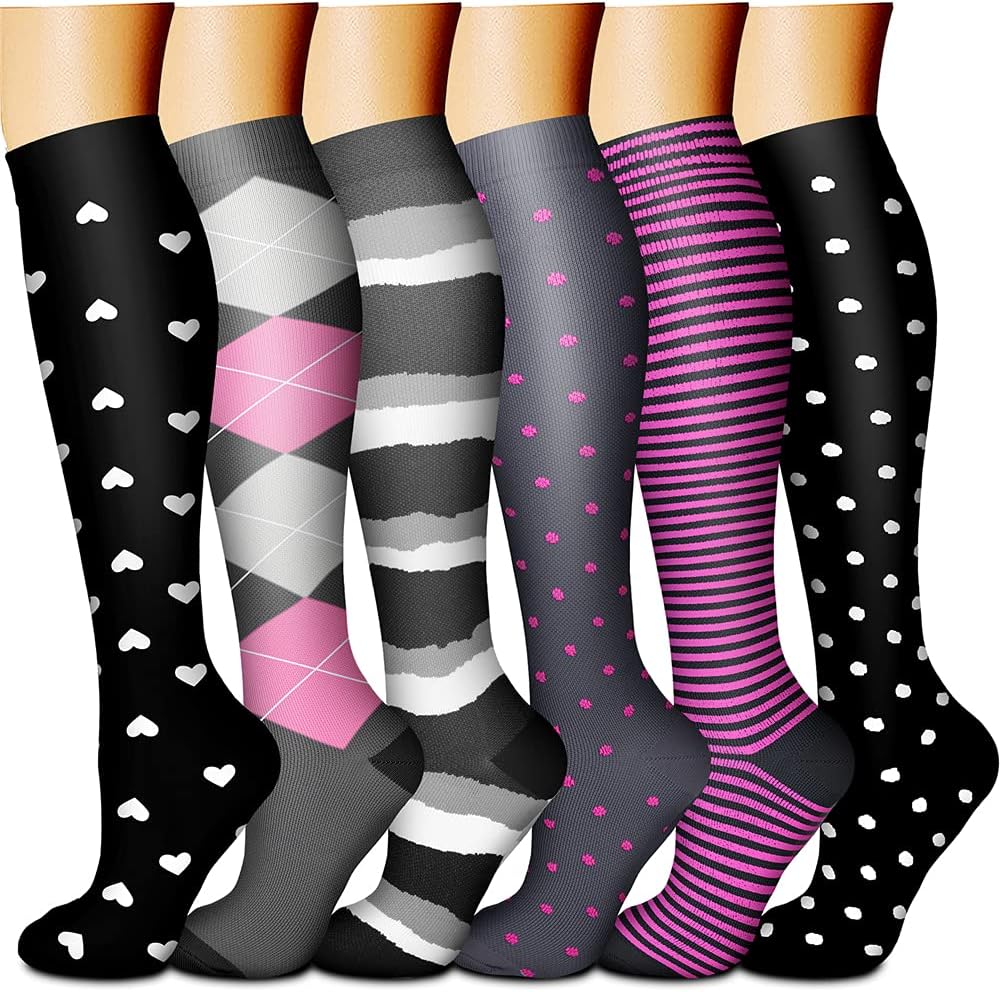
Compression socks, also known as compression stockings, are specialized garments that are designed to improve blood flow and promote circulation in the legs and feet. These socks apply graduated pressure to the lower extremities, with the highest pressure at the ankle and gradually decreasing towards the calf and thigh. The primary purpose of compression socks is to prevent or alleviate various conditions related to poor blood circulation, such as deep vein thrombosis (DVT), varicose veins, edema, and leg ulcers.
Compression socks work by exerting pressure on the veins and muscles in the legs, which helps to improve venous return and reduce swelling. The compression applied by these socks helps to squeeze the walls of the veins and enhance their ability to transport blood back to the heart. This can be particularly beneficial for individuals who spend long periods of time sitting or standing, as it helps counteract the effects of gravity on blood flow.
The level of compression provided by these socks is measured in millimeters of mercury (mmHg). Different levels of compression are available, ranging from mild (15-20 mmHg) to moderate (20-30 mmHg), firm (30-40 mmHg), and extra firm (above 40 mmHg). The appropriate level of compression depends on the specific condition being treated and should be determined by a healthcare professional.
Uses of Compression socks
Compression socks are commonly used in various settings, such as:
- Medical Settings: Compression socks are often prescribed by medical professionals for individuals with conditions such as chronic venous insufficiency, lymphedema, post-thrombotic syndrome, and peripheral artery disease. They can also be recommended for patients recovering from surgery or those at risk of developing blood clots.
- Sports Performance: Athletes, especially runners and endurance athletes, may wear compression socks to enhance performance and aid in recovery. The compression helps to reduce muscle vibration, improve oxygen delivery to the muscles, and facilitate the removal of metabolic waste products.
- Travel: Compression socks are frequently recommended for individuals who travel long distances, particularly on flights. Prolonged sitting during travel can increase the risk of blood clots, and compression socks can help mitigate this risk by promoting blood circulation.
- Pregnancy: Pregnant women often experience swelling in their legs and feet due to hormonal changes and increased pressure on the veins. Compression socks can provide relief by reducing swelling and improving blood flow.
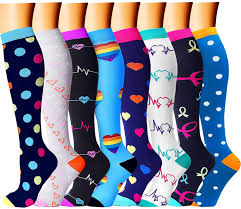
Benefits of Compression Socks
As a specialized garments that are designed to apply pressure to the lower legs, ankles, and feet. We will explore the various benefits of compression socks.
- Improved blood circulation: One of the primary benefits of compression socks is their ability to improve blood circulation. The graduated compression provided by these socks helps to squeeze the veins in the legs and promote blood flow back to the heart. This can be particularly beneficial for individuals who spend long periods sitting or standing, as it helps prevent blood from pooling in the lower extremities. By enhancing circulation, compression socks can reduce the risk of conditions such as deep vein thrombosis (DVT), varicose veins, and edema.
- Reduced swelling and inflammation: Compression socks can effectively reduce swelling and inflammation in the legs and feet. The pressure applied by these socks helps to prevent fluid buildup in the tissues, which is a common problem for individuals with conditions like lymphedema or those who have undergone surgery. By reducing swelling, compression socks can alleviate discomfort and promote faster healing.
- Prevention of blood clots: Compression socks play a crucial role in preventing blood clots, especially during long periods of immobility or when traveling long distances. Deep vein thrombosis (DVT) is a condition where blood clots form in deep veins, typically in the legs. These clots can be dangerous if they break loose and travel to vital organs like the lungs, causing a pulmonary embolism. Compression socks help to keep blood flowing smoothly through the veins, reducing the risk of clot formation.
- Enhanced athletic performance and recovery: Compression socks have become increasingly popular among athletes due to their potential benefits for performance and recovery. During exercise, compression socks can improve oxygen delivery to the muscles, reduce muscle vibration, and enhance proprioception (awareness of body position). These factors can contribute to improved performance and reduced muscle fatigue. Additionally, wearing compression socks after intense exercise can aid in muscle recovery by promoting faster removal of metabolic waste products and reducing muscle soreness.
- Alleviation of leg pain and discomfort: Compression socks can provide relief from various leg conditions that cause pain and discomfort. Conditions such as varicose veins, spider veins, and restless leg syndrome can be managed with the use of compression socks. The gentle pressure exerted by these socks helps to alleviate symptoms by improving blood flow and reducing swelling.
- Support for pregnant women: Pregnancy often leads to increased pressure on the legs and feet due to weight gain and hormonal changes. Compression socks can offer support and relief for pregnant women by reducing swelling, preventing varicose veins, and alleviating leg cramps.
- Protection during air travel: Long flights can increase the risk of developing deep vein thrombosis (DVT) due to prolonged sitting and reduced leg movement. Wearing compression socks during air travel can help maintain healthy blood flow and reduce the risk of blood clots.
- Temperature regulation: Some compression socks are designed with moisture-wicking properties that help regulate temperature. They can keep the legs cool in hot weather or provide warmth in colder climates.
- Improved recovery after surgery: Compression socks are commonly used post-surgery to aid in recovery. They help reduce swelling, prevent blood clots, and promote healing by improving circulation.
- Prevention of orthostatic hypotension: Orthostatic hypotension is a condition characterized by a sudden drop in blood pressure when standing up from a sitting or lying position. Compression socks can help prevent this condition by promoting proper blood circulation and preventing blood pooling in the lower extremities.

How to Put on Compression Socks
To put on compression socks, follow these step-by-step instructions:
- Choose the right size: Compression socks come in various sizes, so it’s important to select the correct size for a proper fit and effectiveness. Measure your calf circumference at its widest point and consult the sizing chart provided by the manufacturer to determine the appropriate size.
- Prepare the socks: Before putting on compression socks, turn them inside out, ensuring that the heel is properly aligned.
- Sit or lie down: It’s generally easier to put on compression socks while sitting or lying down, as this allows for better control and stability.
- Insert your foot: Gently insert your foot into the sock, ensuring that your heel is properly positioned in the heel pocket.
- Gradually pull up: Begin pulling the sock up over your foot and ankle, gradually working it up your calf. Take care not to bunch or fold the fabric as you go.
- Smooth out wrinkles: Once the sock is pulled up to your desired height, smooth out any wrinkles or creases along the fabric to ensure a comfortable fit.
- Check for proper fit: Compression socks should feel snug but not overly tight or constricting. Make sure there are no areas of excessive pressure or discomfort.
- Repeat for the other leg: Repeat steps 4-7 for the other leg if you are wearing a pair of compression socks.
- Adjust as needed: If necessary, adjust the position of the sock by gently pulling it up or down to achieve optimal comfort and support.
- Regularly wash and care for your compression socks: To maintain their effectiveness and prolong their lifespan, follow the manufacturer’s instructions for washing and caring for your compression socks.
Some individuals may find it challenging to put on compression socks due to illness such as limited mobility or dexterity issues. In such cases, specialized tools like sock aids or assistance from a caregiver may be helpful.
You can get Compression socks online from Amazon (www.amazon.com).
 Fashion Blog